Your Sunday Coffee Might Be Rewiring Your Brain Without You Knowing

The Quiet Shift Happening in Your Gut and Head
You sit down with your cup. The steam rises. You take a sip expecting the usual jolt. But something else is going on beneath the surface.
A recent study from University College Cork has flipped our understanding of coffee on its head. It is not just about the caffeine buzz anymore.
Researchers found that both caffeinated and decaf coffee alter gut microbes. And those tiny changes ripple out — to your mood, even to how you remember things.
Why This Study Changes How We Think About Mornings
Look. Most of us treat coffee as a fuel source. We drink it to function. To stay awake during that second meeting.
But this new data suggests a deeper layer. It touches the gut-brain axis in ways we are only starting to understand.
Professor John Cryan from the university team put it simply. Coffee is a complex dietary factor interacting with our entire system.
It is not just a stimulant. It is a biological signal your body processes in distinct ways depending on the type you drink.
The Split Between Caffeinated and Decaf Effects
Here is where it gets interesting. The study tracked 62 healthy adults over several weeks. They switched between caffeinated and decaf regimes.
Both groups reported lower stress and depression scores after resuming coffee. That is a huge win for mental wellbeing.
But the cognitive benefits diverged. The caffeinated group saw better attention test results. They stayed sharper and more focused.
The decaf group showed a different strength. They improved on episodic memory tests. That is the ability to recall specific experiences and events.
What Episodic Memory Means for Your Week
Think about your Sunday morning. You are planning the week ahead. Remembering what needs to be done requires strong episodic memory.
If decaf supports this type of recall, it might be the better choice for your slow weekend mornings. You are not just relaxing; you are organizing your thoughts.

The Attention Edge of Caffeinated Brews
On the other hand, if you have a heavy workday or need to stay alert for long stretches, the caffeinated option still holds its ground.
The study noted reduced anxiety in the caffeinated group as well. Surprising, given how many people believe caffeine increases their jitteriness.
Perhaps the key is moderation and consistency. The participants drank three to five cups daily during their active phases.
The Gut Microbiome Connection Nobody Talks About
This is the part that really caught my attention. Coffee changes your gut bacteria composition.
Researchers analyzed stool and urine samples to track these microbial shifts. They found distinct differences between the two coffee groups.
The gut-brain axis is a bidirectional communication network. Your digestive health directly influences your neurological state.
So when you drink coffee, you are not just feeding your brain with caffeine. You are also feeding the trillions of microbes living in your intestines.
Why This Matters for Your Daily Ritual
If you are someone who cares about your gut health, this is a wake-up call. Your morning coffee choice has biological consequences.
It also ties into broader trends we see in wellness. People are moving away from processed foods and toward natural, functional ingredients.
Coffee fits right into this category. It is a natural compound with proven effects on human physiology.
Limitations and What You Should Not Assume
Let's be clear. This is a small study with 62 participants. It cannot prove causation in the broadest sense.
Clinical psychologist Rebecca Steele pointed out that test performance does not always translate to real-world outcomes.
How you perform on a paper-and-pen test might differ from how you function in your daily life. Context matters enormously here.
Also, the learning effect is a factor. Taking the same tests multiple times can artificially improve scores over time.

The Sleep and Activity Variables We Cannot Ignore
Sleep changes can mimic cognitive improvements. If you sleep better because of lower stress, your brain might simply function more efficiently.
Physical activity also plays a role. If your mood improves, you might move more, which in turn boosts brain function.
These are confounding variables. They make it hard to isolate the pure effect of coffee alone.
How This Fits Into Your Sunday Routine in the NL
In the coffee-loving culture here, we often focus on taste and origin. But this research adds a functional layer to our morning choice.
If you are drinking decaf on Sunday mornings for planning and reflection, this study gives that habit a scientific nod.
If you need sharp focus for weekend projects or work, the caffeinated option might still be your best friend.
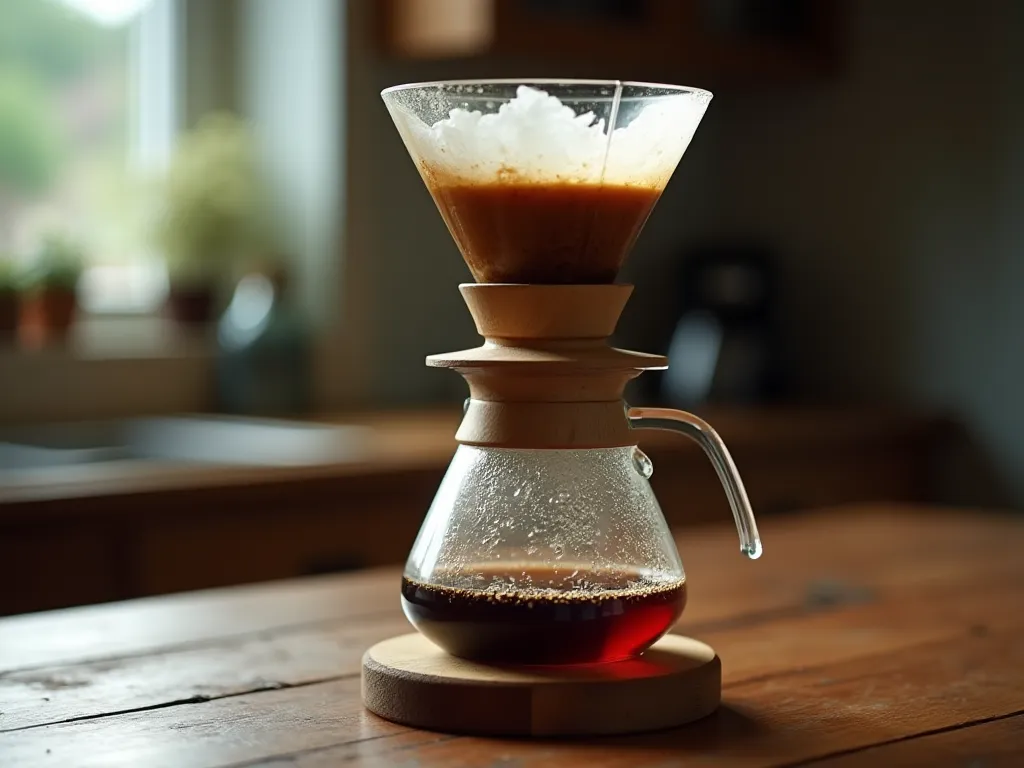
I have been thinking about this while sipping my own pour-over. It makes you pause and ask why you are drinking that specific cup.
It is not just about the flavor profile anymore. It is about what that cup does to your body and mind over the long term.
Practical Tips for Your Next Cup
Start by tracking how you feel after different types of coffee. Note your mood, focus, and energy levels in a simple journal.
Try swapping your afternoon caffeine for decaf if you notice it disrupts your sleep or evening calm.
Be mindful of the timing. Drinking coffee too late in the day might interfere with your restorative sleep cycle.
The Bigger Picture for Coffee Enthusiasts
We are moving into an era where food is medicine. Every choice we make at the table has biological consequences.
Coffee sits right in the middle of this transition. It is a beloved habit with emerging scientific backing for its broader health effects.
This does not mean you should stop drinking what you love. It means you can start doing it with more intention and awareness.
Your Sunday coffee is not just a drink. It is a daily interaction with your own biology.
Where This Research Is Headed Next
The researchers are already planning larger studies. They want to confirm these findings with broader populations.
We can expect more detailed breakdowns of which specific gut bacteria respond to coffee compounds.
This could lead to personalized nutrition advice based on your unique microbiome profile.
Final Thoughts on Your Morning Cup
Next time you reach for that mug, remember the story behind it. It is a complex interaction between plant compounds and human biology.
Whether you choose caffeinated or decaf, you are making a choice that affects more than just your alertness.
Enjoy the ritual. But now you can appreciate it from a deeper, more informed perspective.
Your Sunday coffee might just be doing you a bigger favor than you ever realized. And that is a sweet thought to sip on.