Your coffee is secretly fattening you and it is not the sugar

The Silent Calorie Thief in Your Cup
Most of us think of morning coffee as light, functional fuel. It wakes you up, it tastes good, done. But a recent study of 30,000 adults found something startling about what actually goes into those cups. Calories jumped nearly 40 percent between 2003 and 2018. And the culprit isn't the sugar you're trying to avoid.
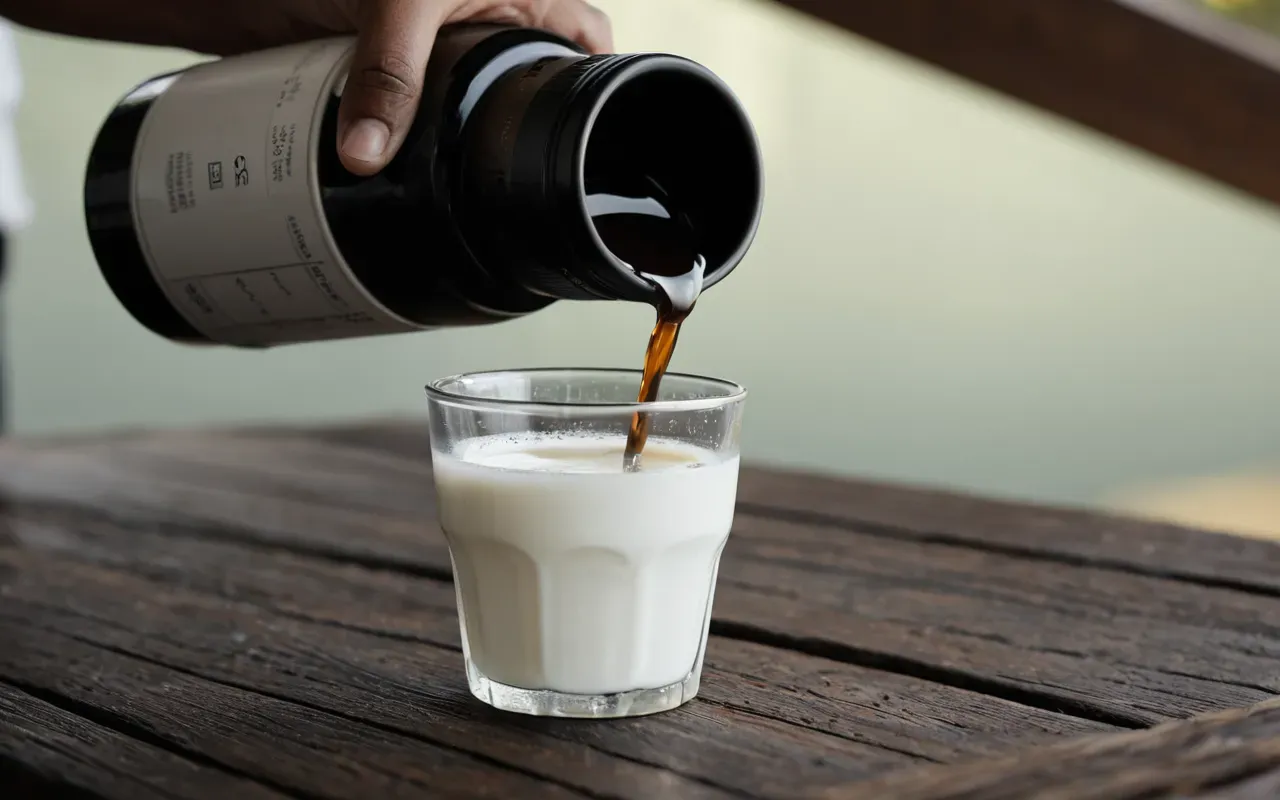
It's the non-dairy creamer. That seemingly innocent white liquid has overtaken sugar and dairy milk as the top source of added energy in American coffee. We keep seeing this trend across demographics. People swap dairy for plant-based options thinking they're making the healthier choice. The data tells a different story about energy density and saturated fat.
Why Non-Dairy Became the Calorie King
The study from Tufts University examined eight cycles of national health surveys. Researchers tracked exactly what people added to their coffee over fifteen years. The volume of coffee drunk stayed roughly the same, about 13 ounces per day. The additives changed dramatically. Non-dairy additions doubled their average weight in the cup.
In 2018, non-dairy creamer contributed 18.5 calories to the average daily cup. Sugar added only 16. Dairy milk added just 11. That's a huge shift from 2003, when creamer added only 7.71 calories. The rise is steep. It reflects a broader cultural move toward plant-based alternatives. But many of these products are calorie-dense and high in saturated fat.
The Hidden Cost of Plant-Based Swaps
We often assume removing dairy removes bad fats. But non-dairy creamers are frequently made from oils like palm or coconut. Both are high in saturated fat. They pack more energy per gram than sugar or milk. So when you pour that generous splash, you're adding dense calories without realizing it. A stealthy way to bump up daily energy intake.
This matters because coffee is already a significant part of the daily routine. Drink multiple cups and those extra calories add up fast. Over a week, that's hundreds of extra calories. Over a year, it can contribute to weight gain. The study shows how well-intentioned dietary swaps can backfire if you don't read the labels carefully.

What the Data Says About Our Habits
The researchers also looked at who drinks the most coffee. People who sleep less tend to consume more. Those working longer hours drink more too. Makes sense as a coping mechanism. But interestingly, coffee consumption didn't vary much between people with high or low diet quality. Drinking more coffee wasn't linked to a healthier or less healthy overall diet.
So coffee is a standalone habit for many. Not part of some larger nutritional strategy. It's a ritual. And rituals often involve specific additives we don't think about critically. We reach for the creamer because it's always been there. Or because we think it's lighter. The data says we need to rethink that assumption.
The Role of Sleep and Work Schedules
There's a clear correlation between sleep deprivation and coffee intake. If you're not getting enough rest, you likely reach for that extra cup. That creates a cycle: poor sleep leads to higher coffee consumption, which adds more calories and can disrupt sleep further if consumed late. A subtle but impactful feedback loop many people never notice.
Work hours play a similar role. Long days at the desk or on the job require fuel. Coffee becomes the default. But if that fuel is loaded with hidden calories from non-dairy additives, the energy boost comes with a metabolic cost. We need to be mindful of when and how we fuel our bodies during these long stretches of work.
How to Fix Your Coffee Routine
So what can you do? First, look at your creamer. Check the nutrition label. If it's high in saturated fat or calories, consider a lower-calorie option. Oat milk or almond milk can be good alternatives, but check their sugar content too. You want to reduce the total energy density of your cup without sacrificing taste.
Second, watch portion sizes. A little goes a long way. You don't need a full splash to get the creaminess you want. Try half the amount and see if you still like the taste. This simple adjustment can cut the added calories significantly. Small change, real payoff over time.
Reading Labels Like a Pro
Many non-dairy products are marketed as healthy, but the ingredients tell a different story. Look for added sugars and types of oil. Palm oil is common and high in saturated fat. Coconut oil is similar. If you see these listed first, be cautious. Choose products with minimal ingredients and clear nutritional profiles. Transparency is key to making informed choices.
You can also experiment with brewing methods. A pour-over or French press might highlight the natural flavors of the bean, reducing the need for additives. If your coffee tastes good without creamer, you'll naturally use less. A subtle but effective way to lower your calorie intake. It shifts the focus from masking flavor to enhancing it.
The Bigger Picture of Coffee Health
Coffee itself has many health benefits. Studies link it to lower risks of certain diseases and improved cognitive function. But those benefits can be undermined by how we consume it. Adding high-calorie additives can negate some of the positive effects. It's about balance. You can enjoy the benefits of coffee without loading your cup with hidden calories.
The Tufts University study is a wake-up call. It reminds us that even small changes in our daily habits can have a big impact on our health. We're not just drinking coffee; we're drinking a cocktail of ingredients. And we need to be intentional about what goes into that mix. It's our choice, and our responsibility.
Making Better Choices for Your Body
Start by tracking what you add to your coffee for a week. Keep a simple log. Note the type and amount of creamer, sugar, or milk. At the end of the week, review your total intake. You might be surprised by the numbers. This awareness is the first step toward making better choices. It turns an automatic habit into a conscious decision.
If you find you're adding too much, try to cut back gradually. Replace non-dairy creamer with a lower-calorie option. Reduce the amount of sugar. Experiment with different beans that taste better on their own. These small changes can make a big difference in your overall health. It's about finding a balance that works for you.
Why This Matters More Than You Think
Coffee is more than a drink. It's a cultural ritual. It marks the start of the day. It provides a moment of pause. But it's also a source of nutrition. And that nutrition can either support or undermine our health. The choice is in our hands. We can choose to make our coffee a healthy part of our day, or we can let it become a source of hidden calories.
The Tufts University data is pretty blunt: non-dairy creamer — not sugar, not milk — is the single biggest source of added calories in coffee. That white liquid we tip in on autopilot. Which is exactly the problem. Autopilot. One small swap, and it adds up fast. Your body will notice.
The Long-Term Benefits of Awareness
Small tweaks to your coffee routine pay off over years, not days. Easier weight maintenance. Less saturated fat. Steadier energy through the morning. And honestly, the biggest gain is awareness — you start noticing what you're actually drinking. That awareness is a tool worth keeping sharp.
Nobody's asking you to quit coffee. Or creamer, for that matter. But mindful beats mindless. Know what's in the cup. The choices you make every morning stack up, quietly, in ways you won't see right away. So make them count.
Final Thoughts on Your Daily Cup
Your coffee is a habit in liquid form — a choice you repeat every single day, and choices have consequences. The Tufts study makes that concrete. Even the most innocent-looking additive can move the needle. So let's be smarter about what goes in the cup.
Start today. Flip the creamer bottle over and read the label. Measure your sugar instead of eyeballing it. Watch your portions. Make small changes, then pay attention to how you feel. You might enjoy your coffee more when you know exactly what's in it. Better health, better taste, clearer mind. That's a win-win.
The coffee industry keeps churning out new products and new trends. The basics don't change, though. Coffee is an energy source — it should fuel you, not quietly load you with hidden calories. Worth remembering as we enjoy the daily cup.
So next time you reach for the non-dairy creamer, pause. Ask what you're adding, and whether it's worth the calories. The answer might surprise you. The taste without it might surprise you more. Try it. Nothing to lose.
Your health is yours to manage, and your coffee is part of it. Make the best choices you can — and enjoy the process. It's a small step that isn't small at all. Go ahead. Make the change. Your future self will thank you.